|
Abby Elder. Provisional Psychologist  “It can’t be that bad!” My doctor exclaimed while studying my face with a look of pity. I had entered his consulting room in a hobbled posture trying to describe my situation in a wobbly voice. For the last week the pelvic pain I had become accustomed to feeling since I was thirteen years old had become extreme, leaving me bedridden for four days. I did not know it but I was experiencing a flare up of pain symptoms related to endometriosis. I am now struck that I cannot recall the exact sensation of physical feeling of pain or its severity. What I can remember is the emotional impact of the symptoms of chronic pain. You might be reading this because your child has been diagnosed with endometriosis. Or perhaps a young person you know is experiencing chronic pain but not yet diagnosed with a disorder. Either way the impacts of chronic pain, especially pain related to endometriosis, can have significant negative impacts on a young person’s mental health, as well as members of their family. This blog post cannot provide medical advice, but will provide strategies to support a young person who is experiencing chronic pain to get the help they need. Keep reading for strategies to better understand pain, communicate with family members about chronic pain, and why it is important for your child to be their own pain spokesperson. Endometriosis - a chronic pain disorder Endometriosis is a medical condition that affects roughly 1 in 9 Australian females. It is considered chronic because there is no cure and those diagnosed with endometriosis can experience symptoms their entire lives. Medical research is still defining endometriosis, from its cause, effective diagnosis, and the incredible range of symptoms and severity, as well as how to best treat those symptoms. This uncertainty can leave young people and their families grasping for solutions, like they are trying to solve a complex puzzle with no guiding picture. Endometriosis tip sheet written by Endometriosis Australia Chronic pain and youth mental health Chronic pain can impact all people at any age. Pain Australia estimates that one in four young Australians experience a form of chronic pain. Children and adolescents can be experienced through endometriosis as well as migraines, sports injuries and symptoms of chronic diseases such as juvenile arthritis. An important difference about chronic pain is that it is a lifelong condition that ebbs and flows. This is different from acute pain such as breaking an arm. While an acute pain is distressing, it will usually come with an expiration date of disruption to one’s life. Because chronic pain can be expected to be felt in some way across a person’s life, an individual can develop feelings of hopelessness and helplessness related to their pain. Disruptions in a young person’s life can mean missing large amounts of school, difficulty socializing with friends, and loss of enjoyment during activities and events. Pain Australia estimates young people experience disruptions in their physical activity at a higher rate than adults. Young people are still defining their identities, what they are good at and what they want to pursue with passion. The emergence of chronic pain can impact this development. Parents and caregivers who are supporting young people living with chronic pain must consider not just the physical sensations, but the emotional toll of isolation and disappointment. You can help a young person who is experiencing chronic pain by defining pain. Pain is a common reality in our society but the reasons a person feels pain are not well understood. By helping young people to understand the biological and psychological components of pain you can empower them to seek the support they need to better enjoy their lives.
Supporting the family unit For families supporting a young person experiencing chronic pain, the start of symptoms can be a time of disruption. A previously active child might suddenly be limited in their capacity to complete previously enjoyable activities. Other members of the family might be affected, with parents and caregivers needing to miss work, and siblings missing out on fun activities. An acknowledgement that everyone is impacted can be a start for families to find a new way to support each other. You might consider making a specific time to come together as a family and put the disruptions into words. It might be helpful to also focus on what each family member needs to feel supported to brainstorm actions to take. After this initial family discussion consider asking your child who is experiencing chronic pain what level of information they would like to share ongoing with siblings and others. There are times when chronic pain can affect most parts of a young person’s life. If family members are not kept informed in an appropriate way, they might feel excluded and miss out on ways they can support their loved one. Share this tip sheet for siblings of children with chronic pain here developed by The Pain Management Network Are you faking all this? People who live with chronic pain become skilled at masking and getting on with it. This should be worthy of praise, but can also invite criticism from well meaning (or maybe not!) friends, family, and medical professionals. Especially when a person finds themselves unable to hide the pain symptoms. “It can’t be that bad,” My doctor had said in frowning exasperation. I did not have the communication skills at that time to challenge my doctor, or to explain my needs. Instead I turned inward to try to solve my complex pain puzzle. I remember thinking, “Maybe it isn’t that bad?” The Pain Management Network encourages parents to make children the spokesperson of their pain when possible. Maybe a young person verbally describes their symptoms at medical appointments, or parents and children brainstorm which pain management strategies work best for the child.
Making the young person their own pain spokesperson will help them develop assertive communication skills for describing their pain with the knowledge their parents can back them up when needed. This may increase a child’s sense of autonomy, and decrease feelings of helplessness associated with chronic pain. It can also stop those nagging feelings they might have when a medical professional might appear dismissive. A firm reminder to themselves that they are not making it up, that their physical needs are worthy of being communicated. If you are after support for managing Endometriosis or chronic pain, please contact the clinic.
Tim Walker. Mental Health Clinician  The Tiger Who Came to Tea is a children’s book. A young girl is surprised when a tiger enters the house at dinner time. Naturally this is an unexpected and difficult disruption! Rather than avoiding or resisting the tiger, the young girl offers it some tea. In fact, the tiger eats absolutely everything! The girl decides to accept him. The more food the tiger needs, the more she offers him. The girl and her family make room for the tiger, and finally it leaves. If we think of the tiger as anxiety knocking at the door, this story is a great example of using mindfulness and flexible thinking, individually and as a family, to manage anxiety. Whilst not based on mindfulness concepts, this story is a good analogy for sitting with anxiety in our lives, to better manage mental health. Seeing what is true, we hold what we see with kindness
 Why should we know the difference?A common theme that comes up in working with children and adolescents is bullying. Often I hear reports from clients who feel they are being bullied at school, which is obviously troubling for both the client and the parent, as nobody wants to be bullied and no parent wants to hear that their child is being bullied, or feels uncomfortable going to school. Although a child may genuinely believe that they are being bullied, not all reports of bullying can actually be defined as such. In some cases the child may perceive teasing to be bullying, whether it is intended to be playful and harmless or goes too far and becomes hurtful. In particular, some children may tend to have a more challenging time interpreting social situations and may perceive teasing as bullying. Therefore it is important that all kids and their parents understand the difference so that they can appropriately handle the situation, whether that be to work with the school to address the bullying and/or to seek assistance through school programs, a psychologist or counsellor to help develop and build a child’s resilience and assertive communication skills. What is bullying and teasing?Bullying: The National Centre Against Bullying (NCAB) define it as when an individual or a group of people with more power, repeatedly and intentionally cause hurt or harm to another person or group of people who feel helpless to respond. Therefore bullying is not a single episode of rejection, acts of nastiness or mutual arguments, disagreements or fights. Teasing: Teasing is a social exchange and can be friendly, neutral or negative. Teasing or being mean is different to bullying as there is usually no power imbalance. Although teasing can be hurtful and unkind it’s common among children and so it is important to know the difference as they may require different responses. Whilst I understand it’s common amongst children, I don’t condone bullying or being mean, and feel that it’s important for us to have common terminology so that we can assist children in the most appropriate way.  What is behaviour? Behaviour is the way someone acts or conducts themself, especially toward or around others. When discussing children’s behaviours, we often find ourselves using the terms positive and negative behaviour or appropriate and inappropriate behaviour. Difficult Behaviours and why we act so quickly around them Children may at times display negative or inappropriate behaviour. As parents and adults, our first thought is to react to this behaviour straight away to try to cease it, because it is not considered appropriate in the current situation. The behaviour may be having negative effects on other people or their thoughts about the child or about us! Why do behaviours occur? Behaviour occurs for many reasons. The reasons we behave are called functions. There is often a function of every behaviour we see or do. The function is the Why. A person may be trying to gain someone’s attention, seek control of a situation or express their thoughts or feelings, none if which are wrong. The difficulty some children may encounter is in understanding how to use positive and appropriate behaviours instead. Noticing why behaviour is occurring is extremely important. We need to know why behaviour is happening and what a child wants, so that we can assist them to gain this in an appropriate way. When children have not independently clued onto how to behave in a positive manner, to get what they are after, they may continue to use negative behaviour because this is what they are familiar with… and maybe it has been working for them so far! Proactive and Reactive Methods Reacting to behaviour to try to stop or reduce behaviour after it has occurred is surprisingly called… a reactive strategy. Reactive strategies can include giving verbal feedback to a child or a fair and logical consequence occurring. Teaching a child a skill (like how to gain something in an appropriate way) before the child is in a situation is called using a proactive method. Using a proactive strategy gives a child the appropriate behaviour to use, and gives them the best chance to demonstrate a positive behaviour. They then have a better chance of what they want, which will encourage them to use the desired behaviour again. Do we need a more systematic game plan? If you find that a negative behavour is occurring again and again, and you can’t seem to redirect the behaviour to something more appropriate, these tips may help:
- Do they want someone’s attention? - Do they want to be in the ‘drivers seat’ of the situation? - Are they trying to communicate a thought or a feeling? - Are they trying to release frustration? - Are they trying to regulate themselves or self-soothe? - Are they trying to avoid something?
Knowing how to respond to behaviour, to encourage positive skills, and discourage negative behaviour is a tricky task. Every child is extremely different and will be encouraged and discouraged with varying methods of adult responses. If you have noticed difficult behaviours and would like some assistance to increase your child’s skills and to encourage positive behaviours, please contact us - we are here to help. 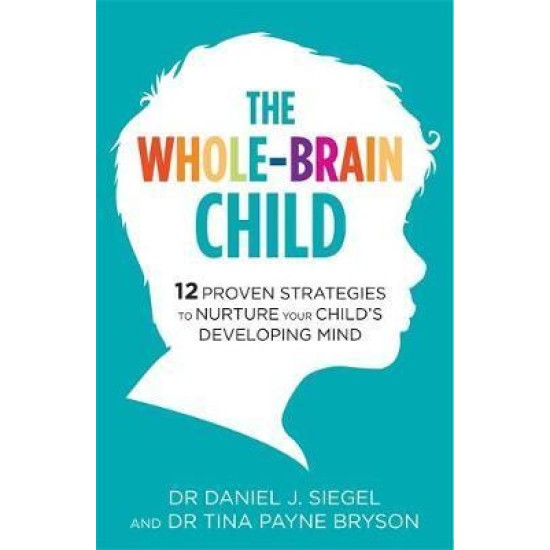 Dr Dan Siegel is a neuropsychiatrist and pioneer in understanding the relationships between the developing brain, emotional experiences and attachment.
Dr Siegel's resources and videos on “Connection before Correction” and the “Hand model of the brain” are extremely valuable video resources explaining complex neuroscience terms in easily understandable ways, and in ways that are easily applicable to parents in supporting their children when dysregulated. Why do I love it? I love recommending Dan Siegel’s approach to emotional literacy to all parents who seek help in how to better support their children who experience dysregulation. Dan Siegal’s books and resources help parents gain a better understanding of helpful ways to respond to a dysregulated child. He stresses the importance of empathy and feeling more connected with their child through teaching effective co-regulation skills. What is a key takeaway? Connection before correction may seem like just 3 words, but it encapsulates a whole lot more than just what those 3 words mean. By helping parents understand the importance of increased connection and understanding of their children’s needs/barriers, we can also help them explore and develop their emotional literacy. This then helps create more meaningful and positive relationships between parents and children, and more open communication and emotional expression between children and parents. Why my clients should read it? All parents can benefit from increasing their understanding of their emotional experiences, common triggers of these, and also what can be done to help manage certain emotions. You can purchase "The Whole Brain Child" here: https://www.bookdepository.com/Whole-Brain-Child-Daniel-J-Siegel/9780553386691 Learn more about Dr Dan Siegel's work here: https://drdansiegel.com/  One of the most powerful tools we have for calming our nervous system is something we are doing every day and, mostly, don't even notice.
Our breathing rate is inextricably linked to our autonomic nervous system - shallow, rapid breaths where we unconsciously focus on the inhale is linked to the fight, flight or freeze response or the sympathetic nervous system and long, deep breaths are associated with relax, rest digest response or parasympathetic nervous system. Fight, flight or freeze is an emergency response and is very useful when we are in danger. In fact, it is a necessary protective response to fear. However, when we live in this state for an indefinite time, we experience this as anxiety and anxiety not only impacts on our capacity to think, learn, organise ourselves and remember, it has long term effects on our health. The Breathing App helps you reconnect with your breath, slow down your breath and hack your autonomic nervous system. You can switch your nervous system from fight, flight or freeze to relax, rest and digest in a few breaths. In addition, you can set the frequency and length of breathing practice to suit your lifestyle, and most importantly, the app brings awareness to the power of your breath. And there are plenty of breathing apps available, so if this one doesn’t work for you, keep trying until you find one that does. Your breath is always with you, it is free and can be your ticket to a peaceful mind and a healthy body. Three long sighs is all you need to start your journey to relax, rest and digest. You can download the breathing app from the Apple store or Google play here:  You might have found this page because you’re wanting to encourage your child’s already healthy development in eating habits and skills - but it may also be that you’re looking for help to figure out why mealtimes have become a battlefield. This article is for you either way! We’re going to look at 3 tips and tricks that can help you support your children to enjoy mealtimes. Before we get started, it’s important to remember that every child is a unique individual and that understanding their unique traits may be really important to help us figure out what might be driving mealtime difficulties. The tips in this article are general in nature and not intended to replace therapeutic support from a dietitian. 1. Make vegetables fun! Sometimes we slip into a pattern of bribing kids with delicious treats if they only eat their vegetables. This can mean that we’re accidentally giving kids the (mistaken!) impression that vegetables are the bad guy and the treat (i.e. ice-cream) becomes the knight in shining armour. Obviously we want to be helping our kids experience their vegetables as fun, delicious, and exciting. Getting kids involved with vegetable selection at the supermarket or green grocer, and with the preparation of their meals, can encourage them to try new and varied vegetables. If we do want to reward our kids’ exploration of foods, trying using non-food items as rewards. Stickers or extra play time are more effective rewards than other foods. 2. Make food exploration fun! It can be normal for adults to view eating and mealtimes as serious business - and it is, but it’s also behaviour under development for kids and can be a lot more complex than we ever thought before we had kids. In fact, did you know that eating involves a 32 step process? I had no idea before I became a dietitian. Trying a food might be a sniff, a lick, or picking a food up to explore it with hands - eating a full serving isn’t necessarily something we can expect, especially for kids going through a phase of fussy eating. One of the steps in developing eating behaviours is interaction with our food - i.e. getting messy. When a child engages all 5 of their senses, they can work up that eating ladder consisting of the 32 steps, and that is exactly what is needed for them to feel a food is safe enough to actually put in their mouths. It can be really tricky to let kids play with their food - I don’t know about you but when I tried to play with my food as a kid, I was told that it wasn’t a toy! It can be especially tricky for adults who really enjoy, and work really hard, to keep a clean and tidy home to let their kids get messy with food - but it’s such an important part of developing eating skills for children. When kids are able to touch, feel, and mash foods between their fingers they are actually engaged in the really tricky process of developing those eating skills - so next time you’re tempted to stop your child from ‘playing’ with their food, try to challenge yourself and see where your child’s play leads them. You may be surprised that more food ends up in their mouths than ever before! 3. Help kids understand mealtime boundaries with regard to alternative foods Generally speaking the parents I work with all have in common that they want their kids to be happy, healthy - and well behaved! It can be really hard when parents feel their kids aren’t eating enough to help them be happy and healthy, and sometimes parents might slip into a pattern of offering a more preferred food as an alternative to a meal that their child doesn’t want to try or to eat. This is really understandable - nobody wants their child to starve or to be so hungry that they don’t sleep or grow well. When we slip into this pattern of offering up alternative meals, we can accidentally dampen a child’s natural curiosity for new foods or family meals, because if they just wait a little bit they’ll be offered a delicious alternative! This isn’t what we’ve meant to do at all, and after we’ve accidentally led our kids into this pattern it can feel impossible to get out of. Rather than offering a totally alternative meal when your child doesn’t like what you’ve served up to the whole family, try to make sure there is at least one desirable and safe food option on your child’s plate with every meal. This means that there will always be at least one component of the meal that they will be happy to eat, alongside newer or less familiar foods that might need to be explored. This can remove the anxiety and pressure for you AND for your child - they’re still filling their bellies with something nutritious, and don’t come to expect a whole new food if they just refuse to eat dinner with the family. You also don’t have to be preparing whole new meals for each member of your family! If you’ve already fallen into this trap accidentally, don’t worry! You can roll it back from here. Start asking your child what the one safe/desired food option should be on their plate tonight, and then let them know that there will also be other less familiar options for them to explore. Do you feel like mealtimes are a battleground and you’re not sure how to support your child to enjoy mealtimes again? You may benefit from the support of one of Hopscotch and Harmony’s dietitians who can support you with a structured approach to food exposure based on your child’s current eating patterns, and to work on your goals from here. You can use THIS form to request an appointment today. Alfred and Shadow: A Short Story about Emotions is a heart-warming, educational animation which touches on the core emotions we all experience as humans, why we have them, and how they work. In sum, emotions are important sources of information about our world. For example, emotions tell us whether we are safe (anxiety, fear), and help us to relate to others (love, empathy). This video also explains why we have more "unpleasant" emotions than "pleasant" and how our childhood experiences impact how we express emotions later in life. A key message from this video is to become aware and "open up" to your true feelings and what they might be trying to communicate, rather than ignoring or dismissing their importance.  Have you been feeling “off” or not like yourself? Have you struggled with feeling depressed or anxious? Have you struggled with your body image or feelings about your eating behaviours? If so, you are not alone and there are many others out there who experience similar feelings. It can be hard to deal with these difficulties alone, but you don’t have to! Getting support can be so helpful. Here are some tips to help you start to feel a bit better: 1. Notice, name and acknowledge your feelings and reactions. When we push down what we are feeling, it’s like trying to hold in a cough. Usually you hold it in and it gets stronger until it bursts out in a coughing explosion. When a feeling or reaction arises, we can say to ourselves: ‘I notice that I am feeling stressed, my body is telling me that through feeling hot and my heart racing.’ 2. Sit with that feeling without trying to make yourself feel bad about it. You can do this by saying ‘It’s been a hard day and I'm feeling upset, but that’s okay and this will pass’. Try to let the feeling wash over you. Each and every day that you try to notice your feelings and thoughts, helps you gain a better understanding of yourself. Self knowledge is so powerful in improving your mental health. Book in a session with Alayne to learn more about mindfulness and how to incorporate it into your life. Alyce Galea. Psychologist  Talking with a highly emotional teenager can be tough! When our emotions are heightened, our ability to access and use the thinking part of our brain can become really difficult, and it can be almost impossible for us to use rational thought.
Here are some tips on how best to communicate with your teen when they are in an emotional state: 1. Remain calm and check in with yourself. There is very little benefit to trying to communicate with your teen when they are in a heightened state, and the same goes for when you are experiencing big emotions.The most helpful thing you can do in this situation is to check in with yourself and try to remain calm as best you can. If your teens can sense your calm, they are more likely to calm themselves and be in a better position to effectively communicate with you. There is a scientific principle called neuroception that helps us understand this - when we are in the presence of a calm person, our brain picks up on those calming signals and our brain understands that we are safe. Being safe leads to feelings of calm. 2. Be present. Although your teen may not want to have a conversation with you, it’s important that they know that you are there for them and available to talk when they are ready. That gesture alone might be enough for them to trust that you are open and willing to hear them out. 3. Take a strengths based, non judgemental approach. Although you might not agree with how your teens behave, or how they should feel in a response to a certain situation, it’s helpful to provide a safe, non judgemental space for them to vent and talk it out. 4. Offer to listen and comfort, rather than “fix” things. Your job is not to fix things, per se, but to coach your children, offer the support they need and encourage them to practice skills of emotion regulation and problem solving, until they find what works for them. The way we problem solve and deal with our emotions, may not be particularly helpful for our teens. It’s important to remember that when we come to the solution for a problem ourselves, often with support from another person, we’re more likely to be able to make sense of the problem solutions and put them into practice - rather than when somebody imposes their solutions on us. 5. Expect rejection and avoid feeling disheartened. Adjust your expectations about how the conversations might go, so that you can avoid feeling disheartened or taking things personally. Your teen might test you a little until they can trust that you genuinely care and want to help them. It may take some time and persistence to reconnect with your teen, don’t be put off. If you’re willing to make the changes to better communicate with them, they will come through. I hope this has given you some helpful tips to be able to alter the way you communicate with your teens to build a stronger connection with them. Contact the clinic if you are in need of parenting support or support for your teen Alyce Galea. Psychologist  The way we communicate with others tends to fall into one of four styles: Passive, Aggressive, Passive Aggressive and Assertive. We may often adopt the one communication style in all interactions, or we communicate with different styles depending on who we are speaking with.
Let's look at the main traits of each communication style... Passive: Passive communicators have a tendency to avoid expressing their feelings or opinions, and shy away from standing up for themselves and their rights. This is often due to a fear of conflict, low confidence or anxiety about how people will respond to them. Because they don’t feel comfortable expressing themselves, they will often harbour resentment and let emotions buildup until they reach breaking point. Following an emotional outburst, they may feel shame and guilt, and return to being passive again. Aggressive: Aggressive communicators sit at the other end of the spectrum. They are very confident in expressing themselves and getting what they want, regardless of how their actions affect others. They often issue commands, are bad listeners and often lack empathy for the feelings of others. Passive Aggressive: Passive Aggressive communicators appear passive on the surface, but often express subtle or indirect aggressions. They are often aware of their needs and emotional experiences, but struggle to express them in a helpful way. Instead of openly communicating what they need or how they feel, they may instead express their grievances or annoyances through giving someone the silent treatment, spreading rumours, or making sarcastic or unhelpful remarks. These communicators often feel powerless, stuck and resentful because they are unable to effectively express themselves. Assertive: Assertive communicators are able to express their needs and feelings in a healthy and helpful way. They are empathetic and aware of how their actions may impact on someone, and are able to negotiate ways of having their needs met, without being overbearing, rude or hurting others. Assertive communicators understand that they may not get what they want all of the time, but are willing to compromise if it means having some of their needs met. When communication breaks down, it’s often because the ways we communicate and the habits we’ve formed often get in the way. We might have good intentions and an idea of how we would like to express ourselves going into a conversation with our teens, but as emotions heighten and we find ourselves feeling frustrated or impatient, what we want to say and how we want to say it might come out wrong or get misunderstood, leading to further breakdowns in our communication with them. The good news is that with practice, we can improve the way we relate and communicate with others! For more personalised support around communication and relationships in your life, please book in with one of our friendly psychologists.  In a world where we are encouraged to grow and thrive, we are also conditioned that weighing less equates to health. This relationship between weight and health fails to fully recognise the complexities of weight loss nor does it acknowledge the risks associated with these messages. This toxic dialogue is drilled into us from a young age, and is almost unescapable unless you live under a ‘rock’. It swamps us on our social media pages from #fitspo to food pics of ‘super healthy’ bowls of rabbit food with a side of magical sprinkles which somehow detoxes you from head to toe. You may also be aware of every second ad on TV selling an ‘ab king pro’ or a new weight loss program that are marketed with the words; health, non-restrictive and mindful. Maybe you have an experience of hearing about a family member or close friend's newest dieting fad and not hearing the end of it. I would like to introduce a term called ‘diet-culture’ and this is what diet culture is in a nutshell. The diet industry is a multimillion-dollar industry who make their money off our failed dieting attempts. I say this with respect, it’s not you, it's them. Diets suck and they all go bottom up because most humans cannot stick to them. Then the dieting cycle starts – restrict, HUNGER, refuel, feel guilty (because your body did its job and responded to restriction) ….so you tell yourself you’ll start again Monday. Do you believe me now when I say its unescapable? The sad truth is, if a body does not fit into what society deems is an okay body, our world encourages behaviours alike to behaviours of someone with a clinical eating disorder. The catch is… health is so much more than what we look like, how much we eat and what size jeans we fit into. The issue is that it is incredibly complex and when we comply to societies standards it can be counterproductive and effect your relationship to your body, exercise, and food. This doesn’t mean nourishing your body goes out the window. It means it can be done in a way that you can sustain and enjoy – with a side of gentle nutrition and self-compassion. For all bodies, nourishment is always going to assist in achieving wellness. Lauren works with clients from all over Australia via Telehealth so you can have an appointment with her from the comfort of your own home.
 Lauren Carmichael, Dietitian Lauren Carmichael, Dietitian You’re probably thinking ‘Eh…. another dietitian’. I know, I know, I hear you. I think we probably all have experienced the dreaded dietitian experience…the anxious build up prior to an appointment or perhaps a memory of being forced to step on a scale to feel more humiliated about our bodies. I understand that uncomfortable feeling all too well and can relate it to a herd of sheep cattle being lined up for slaughter. Did I say I hear you? Well, I can reassure you that this old way of practicing has long been thrown out the window. I mean the very back window, thrown in the trash then sent to the garbage tip. Old news! My goal as a dietitian is to assist my clients in freeing themselves from the guilt and shame around food and their bodies. I want to be able to change the thinking around societies expectations of us in terms of what we ‘should and should not eat’ and ‘should and should not look like’. I aim to guide and empower my clients to feel free from food and diet mentality so they can actually enjoy all the greatness of life. So, what do I do? During my assessments I take into consideration all the nitty gritty that makes you YOU! We discuss what makes up your life, medical histories and what you want to achieve from seeing me. This could be for a range of things, such as managing chronic disease or just stepping away from dieting because you have finally come to terms that they are just not for you. You’re not alone, for most people diets don’t work because no one can stick to them…..Mic drop. I also won’t force weigh you or make you feel pressured to tell me your number. Again, this is about you and if it ever comes up it is always discussed with your permission and with respect. We would then catch up regularly based on what would be appropriate for you and reflect and debrief on how you’re going then guide you in the right direction nutritionally until our next visit. How freeing would it be to stop putting our bodies through diet hell and start appreciating it for housing everything that makes us….US? Who’s with me? I work with clients all over Australia via Telehealth so if you want to overcome any food issues then enquire about a session now. Lauren Carmichael, Dietitian
"I consider myself a passionate and dedicated practitioner who practices under a body inclusive lens. I pride myself on being a non-diet dietitian meaning I try my best to steer away from diet culture and what our world says we ‘need to eat and do’ to be healthy. Instead, I put my focus on wellness which I am very aware looks different on everyone." Tamsyn White, Principal Psychologist One of the most common questions our Client Relationships Team (CRT) field from new or prospective clients is how long they/their child might need therapy for. As you can imagine, this question is a little tricky to answer for anyone, and even your therapist may not know the answer straight away. It’s a bit like trying to answer “how long is a piece of string” - until we understand the full nature of your concerns, we might not be able to give you a satisfactory answer to this very important question! Still there are some things that we can tell you, and some of these are backed up by good scientific research and evidence. Firstly, we care about you and want the best for you! We’re dedicated to helping you improve the quality of your life, your wellbeing, and to reaching your therapeutic goals. We will take the time to get to know you, what works for you in therapy - and what doesn’t - and we want to hear from you if you have any concerns about how your therapy is going. We also really believe in your strengths and what you bring to the table. We know that you’re doing amazing things in your life, and receiving help from a psychologist, OT, or other allied health professional is designed to add to your wellbeing. We’re always grateful when you choose us to be part of your journey. We know that most clients who attend therapy do not want to be attending for the rest of their lives. Whilst some clients may need blocks of therapy throughout their lifespan to ensure that they maintain wellness, this is not true for all clients. So...How Many Sessions? Research indicates that 50% of people seeking psychology treatment will require, on average, 13 - 18 sessions in order to see “significant” improvements in their identified treatment goal areas, and to sustain those changes in the long term (i.e. at 12 and 18 month post-therapy check ins). The remaining 50% of people seeking psychology services will require somewhere between 20 to 70 sessions, depending on a range of factors - such as the complexity of their difficulties/presenting issues, the supports they have in place, other therapies they engage in (such as OT and Psychology concurrently), whether new difficulties arise during their course of treatment. Research also currently indicates that psychology clients attend only 5.5 sessions on average in Australia! This means that there are lots of people who stop attending treatment just as they’re starting to get to the ‘good stuff’. How can I get the most out of my time at H&H?
This may mean prioritising therapeutic appointments even over other really important things in life, like attending school or going to work. Where it would be helpful, we’re happy to provide our clients with attendance certificates to ensure that school or work know that you’ve taken the time for a really important reason. We will always offer telehealth appointments, also, so that you can skip the travel to and from our offices, and get down to the important business as quickly as possible!*
*(Please note that at the time of writing this blog piece, Medicare rebates are available for Mental Health Treatment Plan clients for telehealth sessions until June 2021. Hopscotch and Harmony will endeavour to keep all our clients informed should this arrangement change and affect their funding options.) 2020 was the year where the use of the word ‘unprecedented’ hit, well, unprecedented levels! We went through so much together and we’re grateful to our clients, their families, and, of course, our staff for their ongoing flexibility with regard to the measures we’ve introduced as a result of the COVID-19 pandemic.
As you know Hopscotch and Harmony, like many other businesses, have had to adapt our practices to protect those most vulnerable within our community. All Victorians know the hard work and dedication that was required to get the COVID-19 infection numbers down to the low levels that we’re now accustomed to seeing in early 2021. This has, inevitably, led to questions about when our clinicians will start seeing clients face-to-face in the rooms again. Unfortunately there is no simple answer to this! Some clinicians have let the management team know that Telehealth and Teletherapy works well for their clients and suits their personal circumstances, and they have no intention of resuming face-to-face work in the foreseeable future. The management staff at Hopscotch and Harmony support them in this. Other clinicians are ready and able to start seeing some clients within the rooms. However, there MUST be clear limitations on both the number of clients we see in the rooms at any given time, as well as an ongoing adherence to the DHHS rules around COVID-19 restrictions. These continue to state that if our clinicians CAN work from home - they MUST work from home. This means that in the short-term, for many of our clients, they will continue to receive their therapy over Telehealth. For some clients, though, despite everyone’s best efforts, Telehealth just isn’t suitable. In cases where a client’s ability to receive psychological treatment is compromised if their only option is Telehealth, the DHHS has let us know that these clients can now be offered appointments in the clinics. As this will take some preparation, we are letting our clients know that as of the 1st of March 2021, some clinicians will be offering some appointments face-to-face in both our Werribee and Belmont offices. This doesn’t mean that we’re going to be offering face-to-face appointments to all clients, though! What it does mean is that if a client’s ability to receive treatment is compromised by one of the following factors, they may be offered a face-to-face appointment by their clinician:
Unfortunately due to limitations on the number of people in the rooms at any given time, each clinician will have a very limited number of face to face sessions that can be offered each week, so where-ever and whenever possible, Teletherapy will remain our number one way of providing therapy throughout our COVID normal plan. This means that even if one session is held face-to-face, the next session may be held over Telehealth should any factors change. We do note that as we approach the cold and ‘flu cold season in Victoria, we all need to be vigilant and continue to work hard to protect ourselves and each other. This means that, even if you’ve been offered a face-to-face appointment, you may not come to the rooms if:
Your clinician may also need to switch your session back to Telehealth at the last minute should they or somebody in their household become ill. We encourage you to have a chat to your clinician about whether they’re planning to return to some face-to-face work, and if so, whether you or your child might be eligible for sessions in the clinic. Take care everyone!  Medicare is a fantastic thing and I’m so grateful to live in a country where there is assistance for healthcare costs, however, when it comes to accessing mental health treatment, it can be pretty confusing to begin with - Are there bulk billing services? Do I need a referral? What about the sessions my doctor talked about? This is a whole new world for most people!
So let me fill you in. My doctor said I’d get free sessions... Some clients have come to us saying that their doctor advised that their referral will allow them to access free sessions, but that is not the case for most private practices. The bulk billed rate is less than half the fee recommended by the Australian Psychology Society to see a psychologist in private practice. At Hopscotch and Harmony, we receive no government subsidies so we just couldn’t keep our doors open if we bulk billed. I just can’t afford any out of pocket costs ... I hear you - everyone’s financial circumstances are different and having to choose between utility bills and therapy is a real situation for many people. There are some services where bulk billed sessions are available - Headspace is one we often refer to for clients who are unable to afford any out of pocket expenses, where the client is between the ages of 12 and 25 years. Schools can also be a place to access these services so it is worth checking with your school to see what is available if finances are a barrier to accessing treatment. There are other low-to-no cost services that can be found via a Google search - “low-to-no cost psychology services, Victoria, Australia”. So what will Medicare give me? Hopscotch and Harmony clients can access rebates through Medicare if their doctor or paediatrician has completed a Mental Health Treatment Plan for them AND they have a referral letter to see a psychologist. This referral letter should state how many sessions the doctor wants you to attend. When seeing a psychologist with general registration, this entitles the client to up to 10 sessions per year. The client pays for the appointment and then the rebate (around $90) can be claimed after the session is complete. This can easily be done online through the MyGov app. What if I need more sessions? Here at Hopscotch and Harmony we know that ongoing need for sessions is variable and the number of sessions our psychologists recommend to you will be based on your presenting needs and treatment plan. Research shows that clients are more successful in reaching their therapy goals and make lasting changes after attending at least 18 sessions with their psychologist. But we recognise that every situation is different. You may need more, you may need less. If you require more sessions after exhausting your 10 Medicare rebated sessions for the year, you may have Private Health Insurance cover that you could use, or you may pay the full fee for a few sessions until January rolls around and you can access another 10 Medicare rebatable sessions. At Hopscotch and Harmony we pride ourselves in providing a quality service at below industry standard pricing (the Australian Psychological Society recommend a rate of $280 per 50 minute session) and in doing everything we can to ensure that our clients receive maximum value for the investment they make in their mental health.  With the ever-rising COVID-19 pandemic case numbers across Victoria, it’s more important than ever that we all take steps to protect ourselves and the larger community from the spread of this virus, as well as other colds, coughs, and ‘flus that can be common at this time of the year.
You, as the client, need to feel empowered to take the steps that keep you and your family safe. Hopscotch and Harmony are committed to helping you do this by moving 100% to Telehealth across both the Geelong and Melbourne practices while we are in Stage 3 or 4 restrictions. Telehealth services will continue until the COVID-19 situation stabilises. Unfortunately, as we know, this is taking a lot longer than any of us had thought or hoped for! New to Telehealth services? We sometimes hear concerns from parents that they do not think their child will be able to engage in therapy over Telehealth. It might reassure you to know that Telehealth is an evidence based way of providing services to members of the community. If you are considering Telehealth services but think your child might struggle, please remember that we can offer an array of options:
Telehealth often gives clinicians and children an unusual opportunity of being able to work within the child client’s own space, within their comfort zone, and on issues that commonly impact them at home. One common concern that parents can have is that their children struggled (or are struggling with) remote learning. This can sometimes lead parents to believe that their child will also struggle with Telehealth sessions, or that they won’t get much out of them. It’s really important to remember that your child’s sessions with a therapist should look and feel VERY different to school lessons, and your child’s clinician has a range of options to make your child’s session engaging, fun, and helpful. It’s also really important to remember that even where attended face to face, sessions in the clinic don’t look or feel like ‘normal’ (i.e. pre-COVID) appointments at the moment! Masks, eye protection, physical distancing requirements, hand sanitising, lack of wait rooms, and the necessity to clean and sanitise all rooms, toys, and therapeutic tools between clients mean that our sessions would look very different to what our regular in-clinic sessions are like. In fact, Telehealth often gives the clinician and your child MORE freedom and ease with which to connect and work together. What if Telehealth isn’t right for me or my child? For the vast majority of clients, Telehealth services will be an appropriate therapeutic modality. If, in the rare instance, your child’s presentation means that Telehealth services are just not right for them, it may mean waiting until Stage 3 and 4 restrictions are behind us. Unfortunately due to a very high demand of clients currently requesting Telehealth appointments we are unable to reserve your spot and there may be a wait when you are ready to return. At present, Medicare will continue to offer a rebate for Telehealth sessions until the end of September 2020. Should this change and affect your rebates for Telehealth, we will be in touch to discuss. Whilst we hope to see you back in the office sooner rather than later, this may take longer than any of us had wished for. In the meantime, please consider Telehealth services as an evidence based alternative to face-to-face appointments to protect you, your family, your clinician, and the community at large. Stay safe and warm and we look forward to seeing you soon! Laura Park, Practice Manager  The COVID-19 Pandemic has seen us all wrestling with changes to the way we live our lives and how we connect in our communities. We have all had to adapt quickly to rules and restrictions quite beyond our control. Many families are juggling reduction or loss of employment with the added pressure of kids learning from home.
It is hardly surprising that these circumstances have resulted in additional stress and anxiety levels, and an increased need for psychological support. We are grateful that the Government have acknowledged the need for this additional support and have announced measures to ensure that people can continue to access rebated sessions with their psychologist beyond the existing ten rebated sessions through the Better Access to Mental Health Scheme. As of Friday 7 August, clients who have already accessed ten rebated psychology sessions after completing a Mental Health Treatment Plan with their GP and receiving a referral to Hopscotch and Harmony can return to their doctor to request a review and a re-referral for an additional ten rebated sessions. This will help our clients to continue to work towards their therapy goals with that financial assistance from Medicare. What do you need to do to make this happen? If you currently have a Mental Health Treatment Plan (MHTP)
If you have already exhausted your ten rebated sessions for 2020
At Hopscotch and Harmony we are committed to supporting our clients to reach their therapy goals and to emerge from this most unusual time with increased resilience, insight and skills to thrive in the next chapter of their lives! If you would like to book an appointment please click here **Enjoy this guest post from friend of the practice, Charlie. We came across this piece when Charlie's mother shared it in a homeschooling Facebook group. Charlie accepted our invitation for this to be published on our Hopscotch & Harmony Blog because we knew how helpful it would be to other children and parents. Thank you Charlie!  Hello, I'm Charlie. I started homeschooling at the beginning of year 6 in 2020. I will admit that sometimes when it comes to schoolwork I can behave in ways that some people might call “defiant” and “stubborn”. I want to help other families find a way to have a happy and fun time homeschooling, so I'm writing this to help other people even though I don't love writing. I'm going to talk about possible reasons for defiance now (these are from my experience and are not 100% going to apply to all children). Most of the time I don’t know what triggers me to become defiant in the first place. But later, when I can think about it I realise I was anxious. I don't always know the reason for me being anxious. But sometimes I do, for example–
So, we have looked at some things that caused me to behave in ways that some people would call “defiance”. Here are some solutions to try which I think might work. Once again these are not 100% going to accommodate every child's needs, but they helped me. .
If I can help one family homeschool more happily, this will make all this writing worth it! Thank you Charlie.
For most children, there is not going to be a long-term negative impact on their education by stepping back from school-based academic learning for a few months. If remote learning is creating more problems than it's solving for your family, it might be time to step back and consider your options. You have a choice here. I know it's far from perfect. I know things are hard right now. But there is another option. Check out the video... |
Categories
All
|



 RSS Feed
Hopscotch & HarmonyAt Hopscotch & Harmony Psychology, you can expect compassionate care and evidence-based guidance on your journey to wellness.
With clinics in Werribee and Belmont, as well as providing online counselling to clients who live throughout Australia, our dedicated team of psychologists and dietitians are committed to providing support to children, teenagers and adults. With a focus on understanding your unique needs, we offer tailored solutions to foster growth and resilience. Trust in our experience and dedication as we work together towards your well-being. Welcome to a place where healing begins and possibilities abound. |
Our services |
Contact usHopscotch & Harmony
Child, Teen and Adult Psychology Our Locations:
WERRIBEE: 1/167-179 Shaws Rd
BELMONT: 92 Roslyn Rd AUSTRALIA-WIDE: Online counselling Tel: 03 9741 5222
Fax: 03 8669 4076 Email: admin@hopscotchandharmony.com.au 
|
Hopscotch and Harmony respectfully recognise the Aboriginal and Torres Strait Islander people as the first Peoples of the continent now called Australia.
We acknowledge the Bunurong and Wadawurrung people of the Kulin Nation, the traditional owners of the land on which we work, and pay our respects to their Elders, past, present and emerging.
© 2024 Hopscotch and Harmony Pty Ltd