
 It is essential that our young people learn how to manage the intensity of their emotions, and work through their emotions in a healthy and helpful way.
It is not something that that we are inherently born knowing how to do, so it is important that parents and/or caregivers help facilitate a safe space for children to learn emotion regulation. Here are 5 important tips to help you help your children: 1. Be warm, accepting and responsive to your child’s emotional needs
3. Accept, support and show empathy to validate their feelings
4. Be patient
5. Try not to ignore, dismiss, discourage, punish or react negatively to emotions, especially negative emotion
By being in touch with your own emotions and being mindful of how you manage them, you can be a role model for your children and help them feel safe to express their own emotions in a healthy and helpful way. For more parenting support or for support for your child, please contact the clinic to book an appointment.  It is most likely the time that most students dread...Exam time!
Although for some people, stress can motivate them to be more organised and devote more time to study, for others, prolonged stress can be counterproductive and debilitating. For a lot of students, exam time can be a daunting and stressful period, but it doesn’t have to be! Here are some tips that might help you to manage stress around exam time... 1. Think about why you are stressed:
2. Take time to plan:
3. Make self care a priority
4. Rest
5. Set good boundaries
Above all, remember that this period of stress is only temporary! If you continue to feel stress or anxious after the exams, it might be helpful to speak to someone (a teacher, family member, friend, psychologist) about what you can do to manage these feelings next exam period. Book an appointment with one of our psychologists for more support with school issues and exam stress  Consider your general wellbeing as a bucket.
Whenever you experience a situation that causes stress, you pour a metaphorical glass of water into that bucket. What will happen over time if you don’t actively address those stressors and release water out of that bucket? It will overflow! So if that bucket represents our emotional health, the act of the bucket overflowing represents times where we feel overwhelmed, out of control and exhausted. Our goal is to find ways of releasing some of that stress on a regular basis, so that our bucket never overflows. If you or your child require support in managing stress or anxiety, please contact the clinic to book in with one of our friendly psychologists  Did you know that the average person can have up to 60,000 thoughts in one day?!
Even without being fully aware of what we’re thinking, our brain is often going a million miles per hour. And a lot of what we think is negative, and the same worries that we had yesterday. This makes sense from an evolutionary perspective, because our ancestors needed to constantly be scanning their environments for threats and pre-empting any potential dangers. Helpful when being attacked by a sabre toothed tiger was a legitimate concern, but not so much in our day to day lives! Here are some quick tips if you find yourself worrying a lot... - try to catch yourself when you’re having a negative thought - ask yourself “Is this thought true and helpful?” and “What might happen if I choose to ignore this thought?” If you experience worry or anxiety and would like support, please contact the clinic to book an appointment with one of our psychologists  You might be able to recall a time where you’ve felt...
- emotionally drained; - you’ve become more distant at work; - and you’ve started to feel like nothing you do is ever good enough. Does that sound familiar? Now, more than ever, employees are reporting high levels of burnout. You’re exhausted. We all are. I encourage you to focus on nourishing your body. Notice what it needs and respond accordingly. Think about the last week... How mindful have you been about what you have put into your body? Have you made it a priority to move your body? How kind and compassionate have you been to your body? Have you taken the time to really treat and care your body? If you are feeling burnout and require therapeutic support, we have immediate availability with for adult clients  Do you know the phrase “Making a mountain out of a molehill”?
This can be all too familiar for people who experience anxiety One fleeting thought can trigger a spiral of related thoughts and worries And almost immediately what might have seemed like only a minor worry has become an overwhelming thought When you notice yourself spiralling, it can help to stop and question the thought You might want to ask yourself whether the thought is a fact, and try to find evidence to support or debunk your worry You’ll likely find that the thought is just that...a thought! If you are wanting support to manage worry or anxiety, please book an appointment with one of our friendly psychologists  I recall reading this quote in an article about the importance of dealing with your emotions, and it really resonated with me
“When you’re busy trying to numb your emotions, your emotions are in the next room doing push ups” Unfortunately, uncomfortable emotions such as sadness or anger don’t magically disappear when we don’t want to feel them The longer we try to push away unwanted emotions, the stronger they might become So instead, we need to learn how to lean into the emotions, and to “feel all of the feels” We shouldn’t fear our emotions. They are all part of the human experience! Book an appointment with one of our friendly psychologists if you're wanting support to learn how to manage your emotions  Often we think of trauma as only encompassing issues such as abuse, injury or disaster.
However people can experience trauma in many other ways. Consider the impact that pandemic has had on us over the past few years. I don’t know about you, but my physical and emotional wellbeing has definitely taken a hit. I know many people who have described the impact of the pandemic as a traumatic experience, the effects of which they might continue to experience for years to come. This is why it’s so important, now more than ever, to ensure that you and your family are making sure to look after yourselves Book an appointment with one of our friendly psychologists for further support 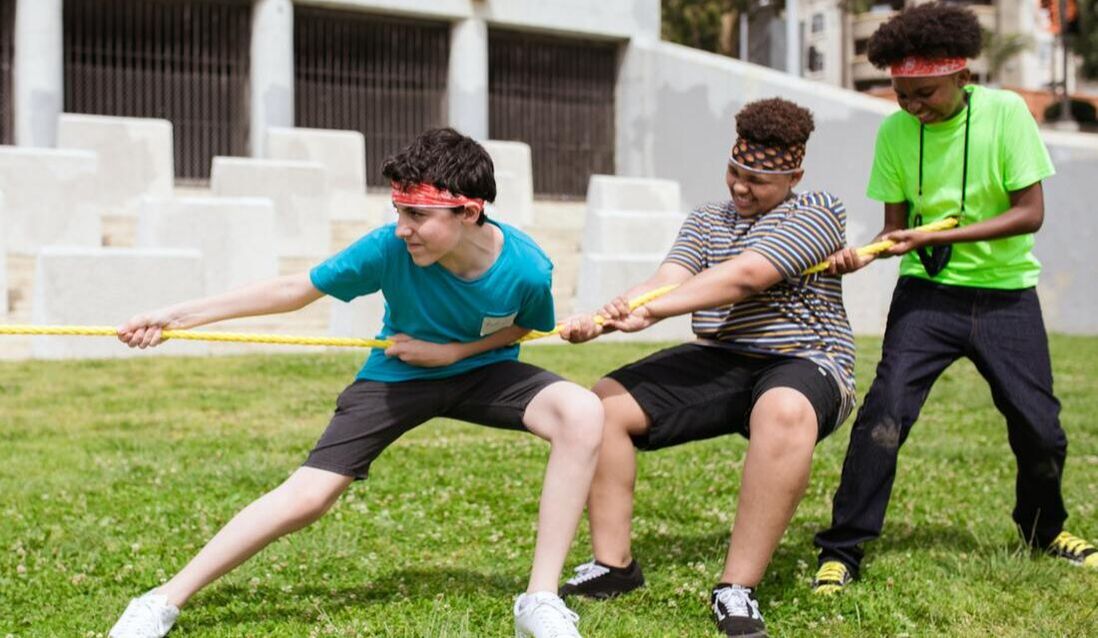 For some people who experience symptoms of anxiety, it can feel like an all consuming tug of war with their own internal monster.
The monster, in this instance, represents your... - anxious thoughts - your concerns - your “worst case scenarios” How physically and mentally exhausting must it be to constantly be fighting against your own thoughts? But what might happen if you drop the rope? Imagine how freeing that would feel! When you notice yourself fighting with your thoughts, acknowledge that you’re in a battle of tug of war, and choose to let go of the rope. If you are needing support to manage your anxious thoughts, please contact our clinic to book in an appointment Sarah Kruse. Provisional Psychologist 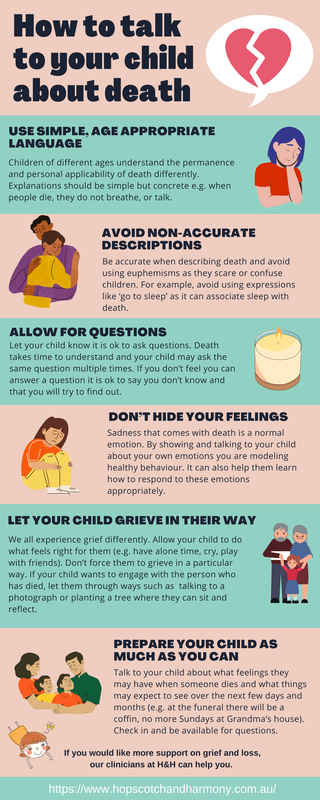
Jessica Cleary. Director & Psychologist  Sometimes it is challenging getting teens the psychological help they need. Here are some tips to help you...
Alyce Galea. Psychologist  The way we communicate with others tends to fall into one of four styles: Passive, Aggressive, Passive Aggressive and Assertive. We may often adopt the one communication style in all interactions, or we communicate with different styles depending on who we are speaking with.
Let's look at the main traits of each communication style... Passive: Passive communicators have a tendency to avoid expressing their feelings or opinions, and shy away from standing up for themselves and their rights. This is often due to a fear of conflict, low confidence or anxiety about how people will respond to them. Because they don’t feel comfortable expressing themselves, they will often harbour resentment and let emotions buildup until they reach breaking point. Following an emotional outburst, they may feel shame and guilt, and return to being passive again. Aggressive: Aggressive communicators sit at the other end of the spectrum. They are very confident in expressing themselves and getting what they want, regardless of how their actions affect others. They often issue commands, are bad listeners and often lack empathy for the feelings of others. Passive Aggressive: Passive Aggressive communicators appear passive on the surface, but often express subtle or indirect aggressions. They are often aware of their needs and emotional experiences, but struggle to express them in a helpful way. Instead of openly communicating what they need or how they feel, they may instead express their grievances or annoyances through giving someone the silent treatment, spreading rumours, or making sarcastic or unhelpful remarks. These communicators often feel powerless, stuck and resentful because they are unable to effectively express themselves. Assertive: Assertive communicators are able to express their needs and feelings in a healthy and helpful way. They are empathetic and aware of how their actions may impact on someone, and are able to negotiate ways of having their needs met, without being overbearing, rude or hurting others. Assertive communicators understand that they may not get what they want all of the time, but are willing to compromise if it means having some of their needs met. When communication breaks down, it’s often because the ways we communicate and the habits we’ve formed often get in the way. We might have good intentions and an idea of how we would like to express ourselves going into a conversation with our teens, but as emotions heighten and we find ourselves feeling frustrated or impatient, what we want to say and how we want to say it might come out wrong or get misunderstood, leading to further breakdowns in our communication with them. The good news is that with practice, we can improve the way we relate and communicate with others! For more personalised support around communication and relationships in your life, please book in with one of our friendly psychologists.
"Your normal may be their magic."
It's all about perspective! This video is sure to pull at your heart strings as you watch vlogger Esther Anderson's moving piece of her day from the perspective of both herself and then her young daughter.
After watching, you can't help but reflect on the way you sum up your own days.
Do you hold on to the magical moments and celebrate them? Or do the frustrations leave a more lasting impression? Let this be today's challenge: Notice and hold on to the magic. Breathe in the giggles and the sillyness, the cuddles and the kisses. Breathe out the tantrums and tears, the defiance and backchat. See if it makes a difference on the way you feel. There's a good chance it will!  Sometimes it’s incredible to think about what our body can take during times of stress. We can continue to ‘soldier on’ during busy and stressful life events, while juggling work, family, friends, finances, and the list continues. Being a parent can bring about some of the most stressful times of our lives. We can find that we become exhausted, and resentful, and while juggling all of those balls, it often feels like what we are doing is just not good enough.
Most of the time, we find that we can do this OK, but ‘burning the candle at both ends’ over a prolonged period of time can have a significant and detrimental effect on our health and well-being. There are 6 specific areas of life/work that have been identified as contributing to stress and burnout. A feeling of a lack of control, and not having a say in what is going on can be created by the uncertainty or ambiguity of a situation. When your core values are in conflict with someone or with an event, this can be very stressful. This may be an increase in work demands that is impacting on family time. Feeling taken for granted or feel like you are not being appreciated can be a common feeling for all parents and can be a contributor to those feelings of resentment. With demands of home and work, it can often feel like it is impossible to prioritise. Everything seems like it is the most important task, and it can feel endless. Feeling on top of things can be even harder if you feel like there is something that is unfair about what is in front of you. Finally, if you feel like there is a breakdown of in the connection between your loved ones, it can feel incredibly stressful and isolating. As the stress continues we find that we continue to get sick. This is because our immune system is being weakened, and we are more vulnerable to illness. It also takes us longer to feel better when we are stressed. We also feel a lack of energy or fatigued. It might mean coming home from work and being unable to muster up the energy to do extra things like exercise, or hobbies that you enjoy. To help reduce the chance of burnout, it takes practise to remind ourselves to be “good enough” and not perfect. This is not always easy, and it much easier said than done, but it helps us to remember the good and positive things that we are doing and achieving, rather than the things we are not doing, or missing. Feeling gratitude is a major contributor to happiness, while perfectionism can be linked to depression and anxiety. For support in how to feel less stressed and burnt out, book in with one of our friendly psychologists  How can you support your teen’s development in the age of social media?
Fostering a healthy sense of self is crucial in the work we do to support adolescents. Self-esteem refers to the judgements young people make about their worth as a person, and is closely associated with mental well-being. The way that we are communicating with peers has changed dramatically over the past decade with the growth of social media platforms such as Facebook, Instagram and TikTok. Although social media has made communication and keeping up with peers easier, it has brought about an added pressure to adolescent’s self-esteem development. It has never been easier to compare yourself to peers than it is right now. On social media, your life is on show and young people are able to create a beautiful ‘highlights reel’ which is often unrealistic and highly filtered. This in turn feeds comparison to unachievable standards and can leave you feeling like you are not good enough. Here are some conversation starters to have with your adolescents, as well as some helpful messages that we need to be sending about social media. Sit down with your adolescent and ask them: “What does it feel like when your post doesn’t get many likes?” Helpful messages to discuss:
Look at Instafamous celebrity profiles with your child and ask, “What do you think about this person’s profile? What does their life look like to you?” Helpful messages to discuss:
“How do you feel when you compare your number of ‘friends’ to other people’s number of ‘friends’?”
"What inspires you on your social media feeds?"
Helping your teens to think about their motivations behind posting up that highly filtered selfie will help them (and you) to think about healthier ways of getting validation and building self-esteem. It’s probably not going to drastically change their posting behaviour, but it might help them to see their online behaviour through a new lens. Through having this conversation, you might be able to come up with ideas about other ways to feel confident – such as learning about their strengths and building on them. This is how positive self-esteem is developed. It might even help you to reflect on whether your child has enough opportunities to experience success and develop their strengths. If not, think about how you can facilitate this by increasing their opportunities in the ‘offline’ world. Remember, social media is a big part of your teens life, so understanding more about it will help you to show your interest in your child’s life bringing you closer together which is so important for your relationship. If you have concerns about negative impacts that social media is having on your child’s self-esteem and you are unsure how to tackle this, please contact our clinic to book an appointment for you or your child.  In this post, we explore how to help bring your focus back to the positive aspects of your life and how to realistically incorporate self care into your busy routine.
One way is to take regular time each day to appreciate the positive things that are happening. Write them down and reflect on them when you need the reminder. When we think of self-care, too often we think of bubble baths and date nights. While both of those things are enjoyable and relaxing, it does not have to be your visual when it comes to self-care. Saying “no” to additional demands is self-care, as is going for a walk around the block for a quiet walk. Eating a healthy meal, or an act of kindness towards another person can also be a form of self-care. Trying something new or engaging in a hobby can also be self-care. Often, we find ourselves saying that we do not have enough time to do some of these things, and our self-care can be one of the first things to drop when we experience stress. However, it is important to remember that taking care of yourself is not a selfish act, it is helping you be the best version of yourself in order to best care for your children. Having a consistent time in the day scheduled for self-care can increase the chance that it happens and can be for just 3 minutes per day to start with. Being energised and refreshed helps us parents with patience and compassion and helps us model to our children that it is ok to take time for ourselves, ask for help and deal with our stresses in healthy ways. So, when you feel the stress and negativity creeping in, remember that it is ok to stop and ask for help. Giving 100% of yourself does not have to mean working until you fall apart. Having someone to talk things through can help give you some perspective, and often just getting things out of your head can be helpful. It may be helpful for you to consider services like - Parentline (1300 30 1300) - lifeline (13 11 14) - Your GP or even the ear of a friend. If you are in need of further support, please contact the clinic to book an appointment with one of our friendly psychologists. Abby Elder. Provisional Psychologist  “It can’t be that bad!” My doctor exclaimed while studying my face with a look of pity. I had entered his consulting room in a hobbled posture trying to describe my situation in a wobbly voice. For the last week the pelvic pain I had become accustomed to feeling since I was thirteen years old had become extreme, leaving me bedridden for four days. I did not know it but I was experiencing a flare up of pain symptoms related to endometriosis. I am now struck that I cannot recall the exact sensation of physical feeling of pain or its severity. What I can remember is the emotional impact of the symptoms of chronic pain. You might be reading this because your child has been diagnosed with endometriosis. Or perhaps a young person you know is experiencing chronic pain but not yet diagnosed with a disorder. Either way the impacts of chronic pain, especially pain related to endometriosis, can have significant negative impacts on a young person’s mental health, as well as members of their family. This blog post cannot provide medical advice, but will provide strategies to support a young person who is experiencing chronic pain to get the help they need. Keep reading for strategies to better understand pain, communicate with family members about chronic pain, and why it is important for your child to be their own pain spokesperson. Endometriosis - a chronic pain disorder Endometriosis is a medical condition that affects roughly 1 in 9 Australian females. It is considered chronic because there is no cure and those diagnosed with endometriosis can experience symptoms their entire lives. Medical research is still defining endometriosis, from its cause, effective diagnosis, and the incredible range of symptoms and severity, as well as how to best treat those symptoms. This uncertainty can leave young people and their families grasping for solutions, like they are trying to solve a complex puzzle with no guiding picture. Endometriosis tip sheet written by Endometriosis Australia Chronic pain and youth mental health Chronic pain can impact all people at any age. Pain Australia estimates that one in four young Australians experience a form of chronic pain. Children and adolescents can be experienced through endometriosis as well as migraines, sports injuries and symptoms of chronic diseases such as juvenile arthritis. An important difference about chronic pain is that it is a lifelong condition that ebbs and flows. This is different from acute pain such as breaking an arm. While an acute pain is distressing, it will usually come with an expiration date of disruption to one’s life. Because chronic pain can be expected to be felt in some way across a person’s life, an individual can develop feelings of hopelessness and helplessness related to their pain. Disruptions in a young person’s life can mean missing large amounts of school, difficulty socializing with friends, and loss of enjoyment during activities and events. Pain Australia estimates young people experience disruptions in their physical activity at a higher rate than adults. Young people are still defining their identities, what they are good at and what they want to pursue with passion. The emergence of chronic pain can impact this development. Parents and caregivers who are supporting young people living with chronic pain must consider not just the physical sensations, but the emotional toll of isolation and disappointment. You can help a young person who is experiencing chronic pain by defining pain. Pain is a common reality in our society but the reasons a person feels pain are not well understood. By helping young people to understand the biological and psychological components of pain you can empower them to seek the support they need to better enjoy their lives.
Supporting the family unit For families supporting a young person experiencing chronic pain, the start of symptoms can be a time of disruption. A previously active child might suddenly be limited in their capacity to complete previously enjoyable activities. Other members of the family might be affected, with parents and caregivers needing to miss work, and siblings missing out on fun activities. An acknowledgement that everyone is impacted can be a start for families to find a new way to support each other. You might consider making a specific time to come together as a family and put the disruptions into words. It might be helpful to also focus on what each family member needs to feel supported to brainstorm actions to take. After this initial family discussion consider asking your child who is experiencing chronic pain what level of information they would like to share ongoing with siblings and others. There are times when chronic pain can affect most parts of a young person’s life. If family members are not kept informed in an appropriate way, they might feel excluded and miss out on ways they can support their loved one. Share this tip sheet for siblings of children with chronic pain here developed by The Pain Management Network Are you faking all this? People who live with chronic pain become skilled at masking and getting on with it. This should be worthy of praise, but can also invite criticism from well meaning (or maybe not!) friends, family, and medical professionals. Especially when a person finds themselves unable to hide the pain symptoms. “It can’t be that bad,” My doctor had said in frowning exasperation. I did not have the communication skills at that time to challenge my doctor, or to explain my needs. Instead I turned inward to try to solve my complex pain puzzle. I remember thinking, “Maybe it isn’t that bad?” The Pain Management Network encourages parents to make children the spokesperson of their pain when possible. Maybe a young person verbally describes their symptoms at medical appointments, or parents and children brainstorm which pain management strategies work best for the child.
Making the young person their own pain spokesperson will help them develop assertive communication skills for describing their pain with the knowledge their parents can back them up when needed. This may increase a child’s sense of autonomy, and decrease feelings of helplessness associated with chronic pain. It can also stop those nagging feelings they might have when a medical professional might appear dismissive. A firm reminder to themselves that they are not making it up, that their physical needs are worthy of being communicated. If you are after support for managing Endometriosis or chronic pain, please contact the clinic.
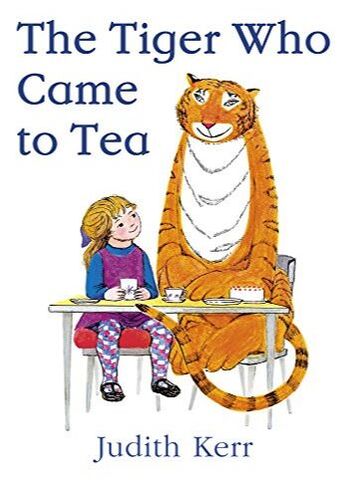 The Tiger Who Came to Tea is a children’s book. A young girl is surprised when a tiger enters the house at dinner time.
Naturally this is an unexpected and difficult disruption! Rather than avoiding or resisting the tiger, the young girl offers it some tea. In fact, the tiger eats absolutely everything! The girl decides to accept him. The more food the tiger needs, the more she offers him. The girl and her family make room for the tiger, and finally it leaves. If we think of the tiger as anxiety knocking at the door, this story is a great example of using mindfulness and flexible thinking, individually and as a family, to manage anxiety. Whilst not based on mindfulness concepts, this story is a good analogy for sitting with anxiety in our lives, to better manage mental health. Seeing what is true, we hold what we see with kindness  Why should we know the difference?A common theme that comes up in working with children and adolescents is bullying. Often I hear reports from clients who feel they are being bullied at school, which is obviously troubling for both the client and the parent, as nobody wants to be bullied and no parent wants to hear that their child is being bullied, or feels uncomfortable going to school. Although a child may genuinely believe that they are being bullied, not all reports of bullying can actually be defined as such. In some cases the child may perceive teasing to be bullying, whether it is intended to be playful and harmless or goes too far and becomes hurtful. In particular, some children may tend to have a more challenging time interpreting social situations and may perceive teasing as bullying. Therefore it is important that all kids and their parents understand the difference so that they can appropriately handle the situation, whether that be to work with the school to address the bullying and/or to seek assistance through school programs, a psychologist or counsellor to help develop and build a child’s resilience and assertive communication skills. What is bullying and teasing?Bullying: The National Centre Against Bullying (NCAB) define it as when an individual or a group of people with more power, repeatedly and intentionally cause hurt or harm to another person or group of people who feel helpless to respond. Therefore bullying is not a single episode of rejection, acts of nastiness or mutual arguments, disagreements or fights. Teasing: Teasing is a social exchange and can be friendly, neutral or negative. Teasing or being mean is different to bullying as there is usually no power imbalance. Although teasing can be hurtful and unkind it’s common among children and so it is important to know the difference as they may require different responses. Whilst I understand it’s common amongst children, I don’t condone bullying or being mean, and feel that it’s important for us to have common terminology so that we can assist children in the most appropriate way.  What is behaviour? Behaviour is the way someone acts or conducts themself, especially toward or around others. When discussing children’s behaviours, we often find ourselves using the terms positive and negative behaviour or appropriate and inappropriate behaviour. Difficult Behaviours and why we act so quickly around them Children may at times display negative or inappropriate behaviour. As parents and adults, our first thought is to react to this behaviour straight away to try to cease it, because it is not considered appropriate in the current situation. The behaviour may be having negative effects on other people or their thoughts about the child or about us! Why do behaviours occur? Behaviour occurs for many reasons. The reasons we behave are called functions. There is often a function of every behaviour we see or do. The function is the Why. A person may be trying to gain someone’s attention, seek control of a situation or express their thoughts or feelings, none if which are wrong. The difficulty some children may encounter is in understanding how to use positive and appropriate behaviours instead. Noticing why behaviour is occurring is extremely important. We need to know why behaviour is happening and what a child wants, so that we can assist them to gain this in an appropriate way. When children have not independently clued onto how to behave in a positive manner, to get what they are after, they may continue to use negative behaviour because this is what they are familiar with… and maybe it has been working for them so far! Proactive and Reactive Methods Reacting to behaviour to try to stop or reduce behaviour after it has occurred is surprisingly called… a reactive strategy. Reactive strategies can include giving verbal feedback to a child or a fair and logical consequence occurring. Teaching a child a skill (like how to gain something in an appropriate way) before the child is in a situation is called using a proactive method. Using a proactive strategy gives a child the appropriate behaviour to use, and gives them the best chance to demonstrate a positive behaviour. They then have a better chance of what they want, which will encourage them to use the desired behaviour again. Do we need a more systematic game plan? If you find that a negative behavour is occurring again and again, and you can’t seem to redirect the behaviour to something more appropriate, these tips may help:
- Do they want someone’s attention? - Do they want to be in the ‘drivers seat’ of the situation? - Are they trying to communicate a thought or a feeling? - Are they trying to release frustration? - Are they trying to regulate themselves or self-soothe? - Are they trying to avoid something?
Knowing how to respond to behaviour, to encourage positive skills, and discourage negative behaviour is a tricky task. Every child is extremely different and will be encouraged and discouraged with varying methods of adult responses. If you have noticed difficult behaviours and would like some assistance to increase your child’s skills and to encourage positive behaviours, please contact us - we are here to help. |
Categories
All
|



 RSS Feed
Hopscotch & HarmonyAt Hopscotch & Harmony Psychology, you can expect compassionate care and evidence-based guidance on your journey to wellness.
With clinics in Werribee and Belmont, as well as providing online counselling to clients who live throughout Australia, our dedicated team of psychologists and dietitians are committed to providing support to children, teenagers and adults. With a focus on understanding your unique needs, we offer tailored solutions to foster growth and resilience. Trust in our experience and dedication as we work together towards your well-being. Welcome to a place where healing begins and possibilities abound. |
Our services |
Contact usHopscotch & Harmony
Child, Teen and Adult Psychology Our Locations:
WERRIBEE: 1/167-179 Shaws Rd
BELMONT: 92 Roslyn Rd AUSTRALIA-WIDE: Online counselling Appointment availability: Monday to Friday 8am-7.30pm Saturday: 9am-2pm 
|
Hopscotch and Harmony respectfully recognise the Aboriginal and Torres Strait Islander people as the first Peoples of the continent now called Australia. We acknowledge the Bunurong and Wadawurrung people of the Kulin Nation, the traditional owners of the land on which we work, and pay our respects to their Elders, past and present.
We proudly support the LGBTQIA+ community and welcome people of all identities and families into our practice.
© 2026 Hopscotch and Harmony Pty Ltd